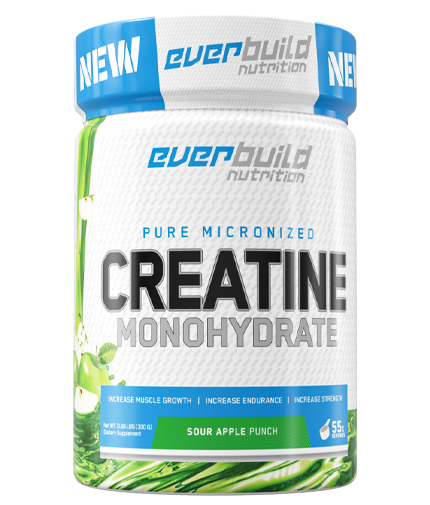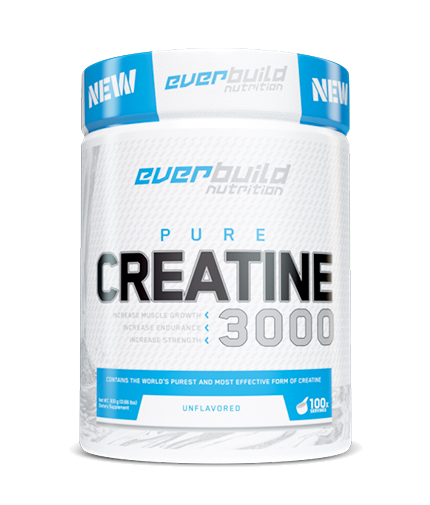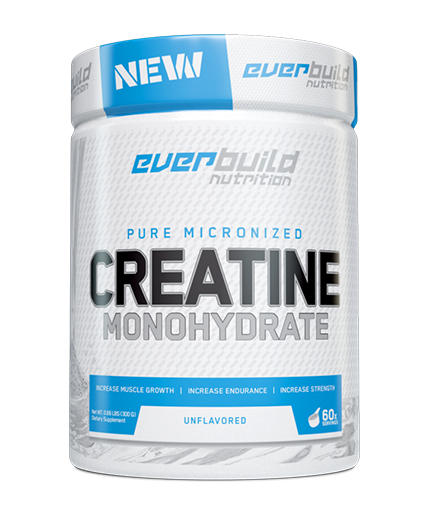
Creatine has been a fixture in gyms since the early 1990s. For most of that time, it was filed under one category: get bigger, get stronger.
In 2026, that view is well and truly outdated.
With over 1,000 published human studies behind it, creatine is now being examined for its effects on brain health, cognitive performance, healthy aging, and recovery - not just muscle. Neuroscientists, sports physicians, and longevity researchers are all paying attention.
This is your no-fluff, science-backed guide to everything creatine does, who it's for, and how to take it. Whether you're training five days a week or focused on staying sharp and strong into your 50s and beyond.
What Is Creatine and How Does It Work?
Your body makes creatine naturally roughly 1-2 g per day from amino acids in your liver and kidneys. You also get small amounts from red meat and fish (around 1-2 g per 200 g serving). Vegetarians and vegans get virtually none from diet.
Around 95% of your body's creatine sits in skeletal muscle, stored as phosphocreatine. When you go hard on a heavy set, a sprint, a box jump your muscles burn through ATP (your cellular energy currency) in seconds. Phosphocreatine rapidly donates a phosphate group to regenerate ATP, so you can keep pushing longer.
Supplementation tops up your phosphocreatine stores beyond what diet and natural synthesis can achieve. More phosphocreatine = more available energy during high-intensity efforts = more reps, more output, faster recovery between sets.
The brain uses the same energy system and since it runs at roughly 20% of your total energy expenditure, researchers increasingly believe creatine can support cognitive performance too.
.jpg)
The International Society of Sports Nutrition has called creatine monohydrate the most effective ergogenic nutritional supplement currently available for building strength and lean mass. That position hasn't changed because the data keeps confirming it.
Those extra reps might seem small in isolation, but when compounded over months of training they result in significantly greater total training volume. Since total volume is one of the most reliable drivers of muscle growth, creatine isn't magic-it's a multiplier on the effort you're already putting in.
The Brain Connection: Creatine and Cognitive Performance
Although the brain represents only about 2% of total body weight, it consumes roughly 20% of the body's energy. Like muscle tissue, the brain utilizes phosphocreatine to help maintain adequate ATP availability during periods of high demand.
Research suggests creatine may be particularly beneficial in situations where energy availability is compromised, including:
Several studies have reported improvements in working memory, processing speed, reaction time, and mental fatigue resistance in these populations.
.jpg)
Creatine and Healthy Aging
Maintaining muscle mass and strength becomes increasingly important with age.
Beginning around the age of 30, adults gradually lose muscle mass and strength, a process known as sarcopenia. This decline accelerates later in life and can significantly impact mobility, independence, and overall quality of life.
Research consistently shows that combining resistance training with creatine supplementation produces better outcomes than resistance training alone in older adults.
Potential benefits include:
Emerging evidence also suggests creatine may support aspects of cognitive health and, when combined with resistance training, may contribute to better bone health in older adults.
Creatine supplementation may be particularly valuable for:
Strength athletes and gym-goers - to improve training performance, recovery, and muscle growth.
Vegetarians and vegans - because dietary creatine intake is typically very low.
Adults over 50 - to support muscle mass, strength, and physical function.
Individuals in a calorie deficit - to help preserve lean body mass during fat-loss phases.
People under high mental stress - including students, shift workers, and professionals with demanding cognitive workloads.
Women of all ages - research suggests women experience similar performance benefits, with growing interest in potential applications during menopause and healthy aging.
Current research is exploring several promising areas, including:
Higher cognitive dosing protocols - researchers are exploring whether 10+ g/day is needed to meaningfully elevate brain creatine. Current standard doses (3-5 g) produce smaller increases in the brain than in muscle.
Creatine in concussion recovery - early data suggests creatine may support brain energy metabolism after traumatic brain injury. Clinical trials are ongoing.
Women-specific research - historically understudied, women are now the focus of dedicated creatine trials, particularly around menopause, bone density, and cognitive aging.
Creatine + sleep - the link between creatine, sleep quality, and sleep deprivation resilience is an active research area following promising 2021-2024 findings.
Longevity stacking - creatine is increasingly discussed alongside omega-3s, collagen, and vitamin D as part of evidence-based healthy aging protocols.
While many of these areas require further investigation, they highlight the growing recognition of creatine as more than simply a sports supplement.
.jpg)
Current evidence does not support this claim in healthy individuals. Long-term studies have consistently demonstrated a strong safety profile.
The evidence linking creatine to hair loss remains weak and inconclusive.
Creatine increases water retention inside muscle cells, which is different from the type of subcutaneous water retention commonly associated with bloating.
There is no scientific evidence suggesting that cycling creatine is necessary.
Which Form of Creatine Should You Buy?
The supplement market sells creatine in many forms, but here's what the evidence says:
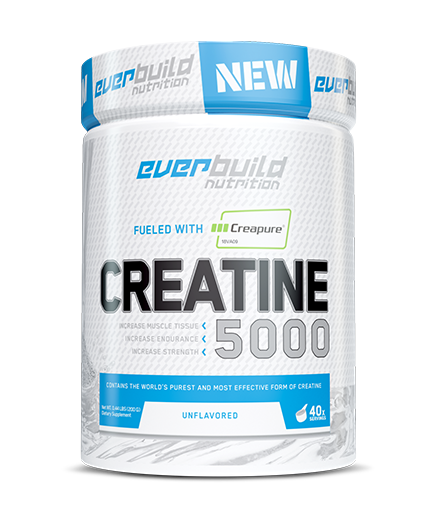
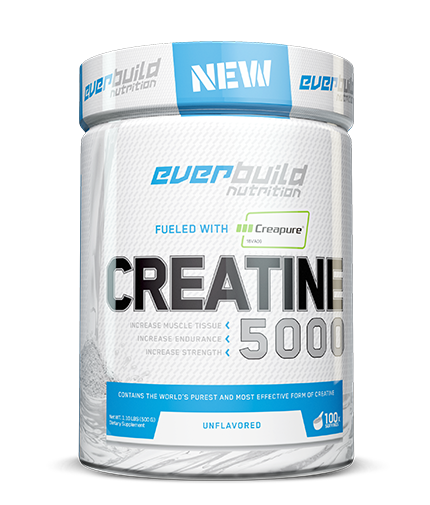
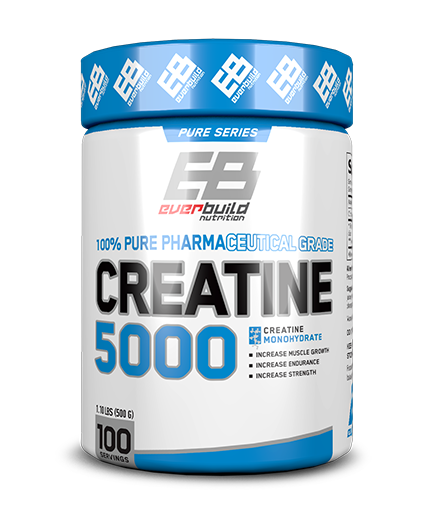
Creatine Monohydrate
Creatine HCL
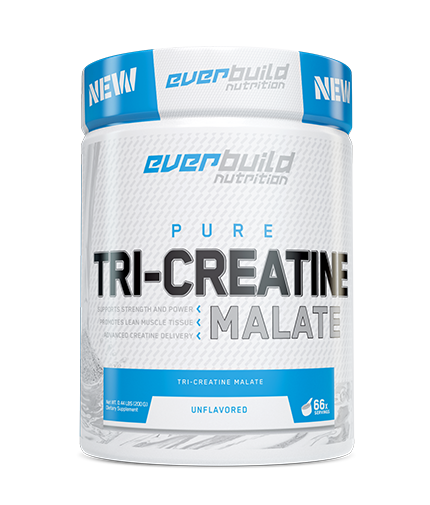
Tri-Creatine Malate
Creatine Nitrate
Bottom line: If you're looking for the most proven and reliable form of creatine, creatine monohydrate remains the best choice. Creatine HCL may be worth considering if you experience digestive issues with monohydrate, while Tri-Creatine Malate and Creatine Nitrate have less supporting evidence.
How to take creatine?
The simplest evidence-based approach is:
Daily dose: 3–5 g
Timing: Any time of day, consistently
Loading phase: Optional
Hydration: Maintain adequate fluid intake
Cycling: Not necessary
Consistency is far more important than timing.
.jpg)
Supplements That Pair Well With Creatine:
Creatine drives training volume; whey provides the amino acids to build from it. One of the most studied combinations in sports nutrition. Take both post-workout.
Dairy-free and lower in calories than whey. EAAs give you all the muscle protein synthesis triggers without the full shake - ideal on a cut or for sensitive stomachs.
Electrolytes
Creatine shifts fluid into your muscles. Sodium, potassium, and magnesium keep hydration balanced - especially during hard training, heat, or long sessions.
Anti-inflammatory, muscle-protein-synthesis support for older adults, and emerging cognitive benefits. Omega-3s and creatine complement each other well as a longevity foundation stack.
The Bottom Line
Creatine in 2026 isn't a different supplement to what it was in 1995 - but our understanding of what it does is far richer.
What's new is the broader picture. Cognitive benefits - especially for older adults, plant-based individuals, and anyone consistently under-slept or mentally taxed. Healthy aging support that goes beyond the gym. Ongoing research into brain health, concussion recovery, and longevity that keeps expanding what creatine can do.
Your Action Plan Take
3-5 g of quality creatine daily. Be consistent - every day, not just training days. Pair it with adequate protein and progressive training. If you're over 40, plant-based, or regularly sleep-deprived, consider it non-negotiable. The science is clear, it's affordable, and it works.
If you’re curious about more sports and nutrition topics you can read the rest of our articles.